The Role of Concrete in Sustainable Building Practices Jul 25, 2026
Traditionally, concrete has been perceived as an energy-intensive material, primarily due to the production of cement, its key component. However, advancements in concrete technology have revealed its potential as a sustainable building material. The process starts with the reduction of cement usage by incorporating alternative materials like fly ash, slag, and silica fume. These byproducts not only enhance the concrete's durability but also reduce the carbon footprint associated with its production.
Furthermore, the longevity of concrete structures significantly contributes to sustainability. Unlike other building materials that may require frequent replacements or maintenance, concrete boasts a lifespan that reduces demand for new resources. This durability means that buildings and infrastructure last longer and withstand harsh environmental conditions, decreasing waste and promoting resource conservation.
Innovations in recycling have also made concrete a champion of sustainable practices. Concrete is highly recyclable, allowing old structures to be demolished and reused as aggregate for new concrete applications. This recycling process minimizes landfill waste and reduces the need for raw materials, which is a substantial advantage for sustainable construction.
Another significant benefit of concrete is its energy efficiency. Concrete possesses excellent thermal mass, a quality that allows it to absorb and store heat. This feature is particularly valuable in maintaining energy efficiency within buildings, as it reduces the need for artificial heating and cooling. A well-designed concrete structure can capitalize on this thermal mass to maintain a stable indoor climate, leading to decreased energy consumption and reduced greenhouse gas emissions.
Water management is another area where concrete shines in sustainable building practices. Permeable concrete, a recent development, allows water to pass through its surface, recharging groundwater levels and reducing the impact of stormwater runoff. This feature helps manage water resources more effectively and is crucial in urban areas prone to flooding.
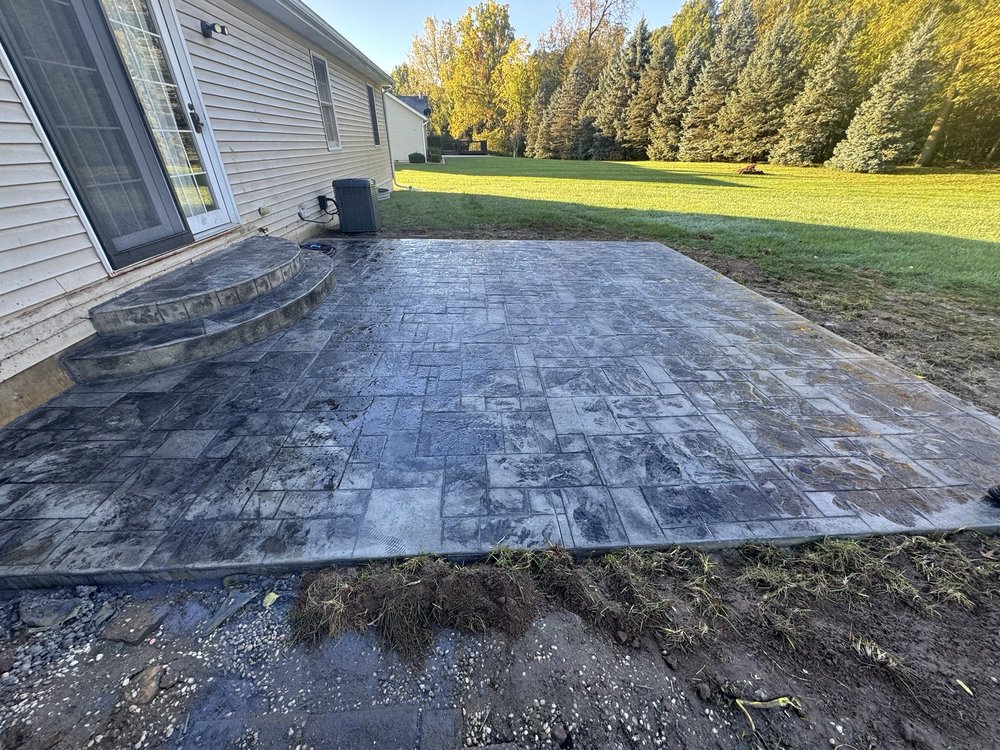
The aesthetic versatility of concrete should not be overlooked in sustainable building. Its ability to imitate various finishes and textures allows architects to create visually appealing structures without resorting to additional, potentially harmful materials. This adaptability supports sustainable design principles by reducing the reliance on unsustainable or non-renewable aesthetic finishes.
H&S Concrete understands the importance of embedding sustainability into their practices. By embracing these advancements in concrete technology, they contribute to reducing the construction industry's environmental impact. Their expertise in using sustainable concrete solutions ensures that each project aligns with environmental goals while meeting structural and aesthetic requirements.
In conclusion, concrete is no longer just a basic building material; it is a cornerstone of sustainable building practices. As the demand for environmentally responsible construction grows, the role of concrete becomes increasingly crucial. By integrating modern technologies and sustainable practices, companies like H&S Concrete are leading the way in creating a more sustainable future. Engaging with these innovative approaches not only supports environmental health but also provides enduring value to clients seeking sustainable solutions.
/filters:no_upscale()/filters:format(webp)/media/61db6a90-915e-43ea-b18e-c04d6390e39c.jpeg)